RU
RU AZ
AZ UZ
UZ
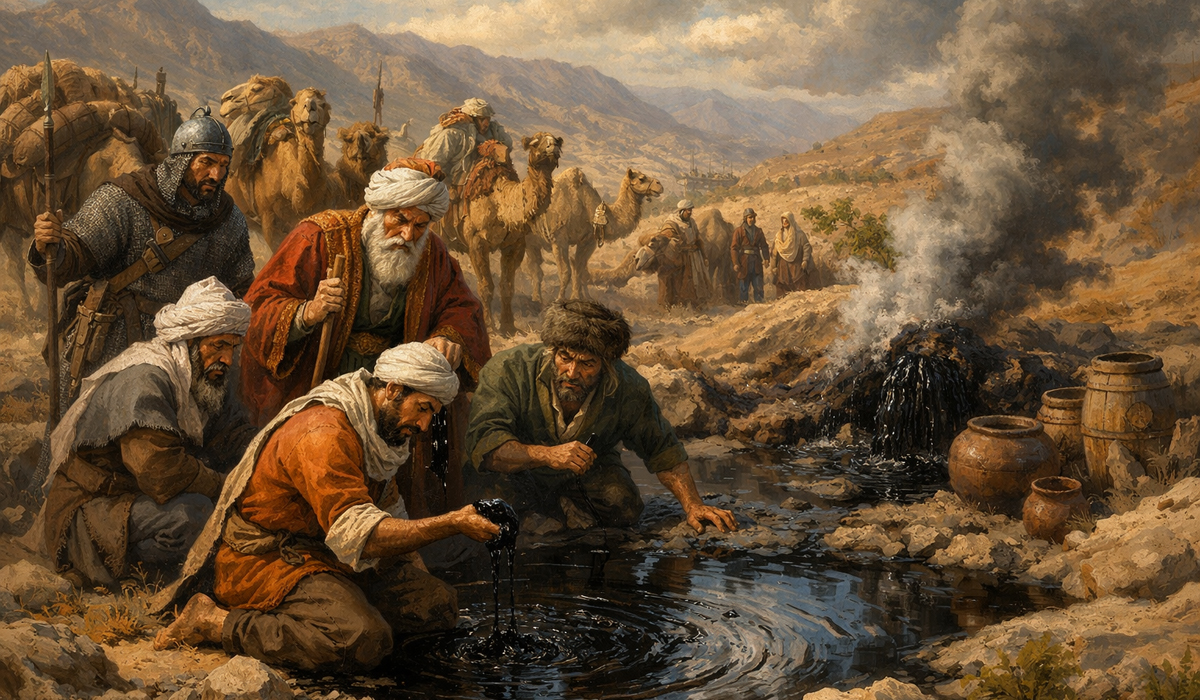
It was in ancient times, at the beginning of the 6th century AD. A caravan of merchants was passing by the area where the city of Naftalan is located today. In those lands there were many lakes with cloudy water. To prevent harm to the camels, they were driven away from the water bodies.
Among the caravan animals was a camel that stood out from the others due to its extreme thinness and illnesses. It could barely stand on its legs and groaned loudly, which greatly angered its owner. Eventually, the caravan leader ordered the sick camel to be left behind: “It is better for him to perish by drinking the poisonous waters of these lakes than to live suffering from painful diseases.”
Leaving the sick camel to die, the caravan continued its journey. On the return trip, passing through the same area, the caravan owner noticed a lone camel and recognized the one that had been abandoned. The camel looked healthy, lively, and fully recovered. Everyone in the caravan who remembered the animal was astonished by this sight.
They decided to follow the camel. To their amazement, the camel repeatedly entered the murky lake waters, bathed in them, and then came out to rest on dry land under the sun.
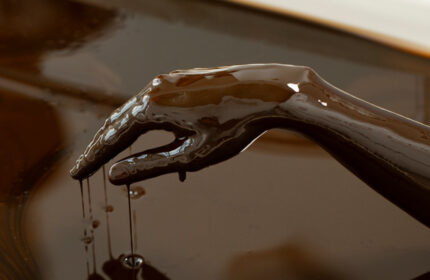
The people discovered that beneath the cloudy surface of the water there was a black, oily substance. They realized that the camel’s healing was connected to this substance. When people applied this black oil to wounds on their hands and feet, they soon became convinced of its healing power-the wounds healed.
Thus, the inhabitants of nearby villages began to use this miraculous liquid as a medicinal remedy. Due to its resemblance to crude oil, it was later given the name NAFTALAN.